
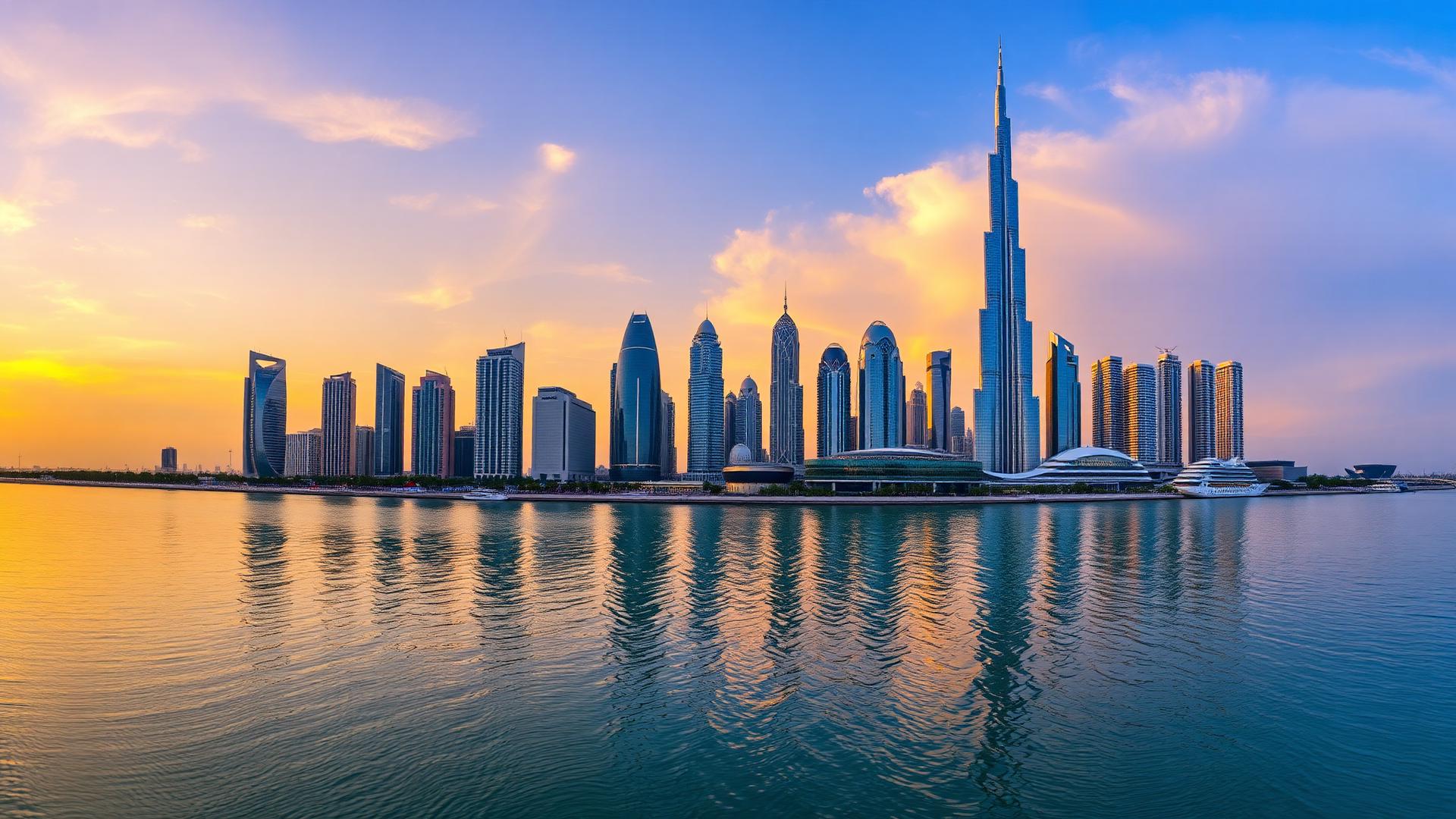
Dubai Travel Guide 2026: Where to Stay, Eat & Explore
Dubai is the world's most competitive luxury-hotel market. This guide breaks down the neighborhoods worth booking, the seasons worth avoiding, and the properties that turn a Dubai trip into something you'd actually repeat.
Updated July 1, 2026 · Layla Haddad · 9 min read
Where to stay in Dubai
Match the neighborhood to the trip — it's the single decision that shapes everything else.
Burj Khalifa and Dubai Mall at your door. The best base for a 3–4 night first visit — walkable, iconic, and packed with dining.
Overwater villas, private beaches, and Atlantis. Trade walkability for pool days and sunset dinners on the water.
Boutique properties, art galleries, and the city's best restaurants — Zuma, La Petite Maison, Gaia. Quieter on weekends.
Low-rise resorts, quieter beaches, and easy access to Madinat Jumeirah's souks and abra rides.
When to visit Dubai
November through March is Dubai at its best — daytime highs in the mid-20s Celsius, warm sea, and every hotel pool actually usable. December and January command a peak-season premium; late November and early March are the sweet spot for rates and weather together.
Avoid July and August unless you specifically want indoor luxury at a discount — outdoor temperatures push 45 °C and pool decks are limited to early morning and evening. Ramadan shifts each year; check dates before booking as daytime dining and alcohol service change materially.
Getting around
The Dubai Metro's Red Line links the airport, Downtown, Marina, and Palm — cheap, air-conditioned, and often faster than road traffic during rush hour. Careem and Uber are reliable everywhere; taxis are metered and abundant.
For a first visit, budget one full day for Downtown (Burj Khalifa, Dubai Mall, Fountain, Old Town), one for the beach and Palm, and one for Old Dubai — Al Fahidi, Gold Souk, and an abra crossing across Dubai Creek.
Where to eat beyond the hotel
Orfali Bros in Jumeirah is currently the city's most-talked-about restaurant — three Syrian brothers, a tasting menu, and a wait list worth planning around. Ninive puts a garden setting under a Bedouin tent in the middle of the DIFC skyline; Trèsind Studio is Dubai's Michelin-starred progressive Indian.
For everyday food, Ravi's in Satwa for Pakistani, Al Mallah for Lebanese shawarma at 2 a.m., and Arabian Tea House in Al Fahidi for the traditional Emirati breakfast most tourists never try.
Frequently asked questions
How many days do you need in Dubai?
Three to four days covers Downtown, the beach, and a taste of Old Dubai. Add two more if you want a full desert-safari overnight or a day trip to Abu Dhabi's Louvre and Sheikh Zayed Mosque.
Is Dubai safe for solo and female travelers?
Yes — Dubai consistently ranks among the world's safest cities for solo and female travelers. Standard dress-code respect applies at religious sites; hotels, malls, and beaches are unrestricted.
What's the best neighborhood for a first-time visit?
Downtown Dubai. You'll walk to the Burj Khalifa, Dubai Mall, and Fountain, and every metro line and taxi ride starts from a central point.
How much should I budget per night for a luxury hotel?
Expect $350–$500 for solid five-star in shoulder season, $500–$900 for peak season on the Palm or Downtown, and $1,000+ for suites at Atlantis The Royal, Bulgari, or One&Only Royal Mirage.